
Guide to Vietnam Embassy Attestation Process
Discover the complete guide to Vietnam embassy attestation. Learn about the necessary documents, the step-by-step process, and the timeline for obtaining embassy attestation efficiently.
10/3/20258 min read
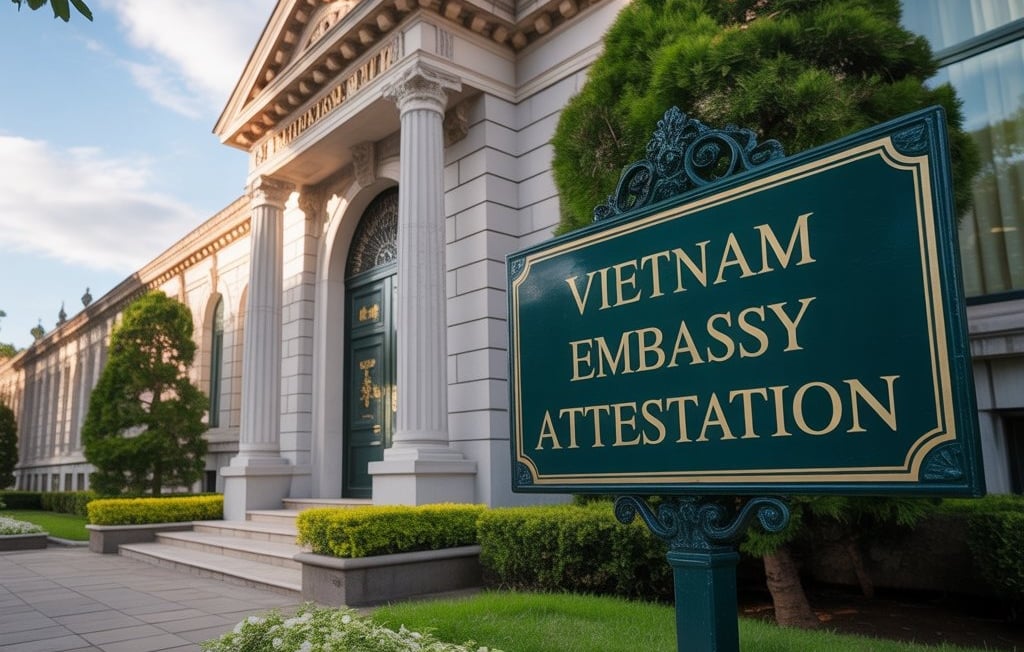
Introduction to Vietnam Embassy Attestation
Vietnam Embassy Attestation refers to the official recognition and validation of documents by the Vietnamese diplomatic missions abroad. This process is essential for individuals and businesses requiring their documents to be accepted by Vietnamese authorities or institutions. The attestation offers legitimacy and trustworthiness to various legal documents such as birth certificates, marriage licenses, academic degrees, and business contracts, facilitating smooth transactions and communications within Vietnam.
The significance of Vietnam Embassy Attestation extends beyond mere validation; it serves as a bridge for international dealings, ensuring that foreign documents comply with Vietnam's legal requirements. As businesses globalize and individuals seek opportunities abroad, the necessity for attestation becomes increasingly relevant. In many cases, without proper attestation, documents may not hold legal weight, leading to complications that can delay processes, incur additional costs, or jeopardize important transactions.
Legally, the framework surrounding Vietnam Embassy Attestation is established by various bilateral agreements and international laws that govern document recognition. The Ministry of Foreign Affairs, along with the Vietnamese embassies and consulates, plays a crucial role in implementing these regulations. This structured approach helps maintain integrity and security in official processes and guarantees that the corresponding documents are trustworthy and valid within Vietnam’s jurisdiction.
Failure to obtain the necessary attestation might result in significant repercussions. Documents could be rejected by governmental agencies or private entities, which can hinder business operations or personal matters. Overall, understanding the process of Vietnam Embassy Attestation is essential for anyone planning to engage with Vietnamese authorities, as it helps ensure compliance with the requisite legal standards. This process ultimately fosters smoother interactions between Vietnam and the international community.
Understanding the Types of Documents that Require Attestation
The process of Vietnam Embassy attestation involves the verification of various types of documents, which serves as a means to validate their authenticity for official use in Vietnam. It is important to understand the categories of documents that necessitate this form of attestation, as each plays a significant role in legal, personal, and educational contexts.
Firstly, personal documents are commonly required for attestation. These include birth certificates, marriage certificates, and other vital records. Such documents are essential when individuals seek to establish their identity or family status in Vietnam. For instance, a marriage certificate may be required for spousal visa applications or residency permits. Thus, ensuring that personal documents are properly attested can facilitate smoother processing in various immigration and legal matters.
Secondly, educational documents are crucial in many scenarios, particularly for those pursuing further education or professional opportunities in Vietnam. Degrees, diplomas, and transcripts fall under this category. Academic institutions and employers often require attested educational qualifications to ensure that candidates have met the necessary academic standards. This attestation process not only helps validate the credentials but also prevents fraudulent claims during recruitment or admission.
Lastly, legal documents such as contracts, business licenses, and power of attorney documents require attestation to ensure they are recognized internationally. These documents are vital for business transactions and legal proceedings and need to be authenticated to maintain their validity under Vietnamese law. Attestation provides assurance to foreign entities that these legal documents are legitimate and enforceable.
Understanding the types of documents that require attestation by the Vietnam Embassy is essential for anyone engaging in legal, personal, or educational procedures in Vietnam. Each category serves a specific purpose, emphasizing the importance of proper documentation and authenticity in various contexts.
Step-by-Step Process of Attestation at the Vietnam Embassy
Obtaining attestation at the Vietnam Embassy involves several key steps that must be carefully followed to ensure a smooth and efficient experience. The first step begins with document preparation. It is crucial to gather all required documents, which typically include the original documents you wish to have attested, along with photocopies and any additional supporting documents that may be specified by the embassy. Research and understand the specific requirements for the type of attestation being sought, as these can vary based on the nature of the documents.
Once you have organized your documents, the next step is to complete the application form. This is usually available on the official website of the Vietnam Embassy. Fill out the form diligently, ensuring that all information is accurate and matches the details on your original documents. After preparing your application, set an appointment with the embassy for submission, if required. Many embassies offer an online booking system to facilitate this process.
Upon your appointed date, visit the embassy with your prepared documents. At the embassy, submit your application along with the required documents to the designated official. Be prepared to answer questions or provide additional information if requested. In some instances, a brief interview may be required to verify the authenticity of the documents, thus allowing the embassy staff to efficiently process your request.
After submission, you will receive a receipt along with an estimated processing timeline. Keep this receipt safe as it is necessary for collecting your documents later. It is essential to wait for the embassy to complete their verification process, which can take several days, depending on their workload and the nature of the documents submitted. Following these procedures meticulously will enhance the likelihood of a successful attestation.
Required Documents for Attestation: A Comprehensive List
Attestation is a critical process for individuals and businesses looking to validate their documents for use in Vietnam. The specific requirements for attestation can vary based on the document type and the applicant's country of origin. To ensure a smooth attestation process, it is essential to prepare a comprehensive list of required documents.
Initially, all applicants must present a copy of their valid passport or national identification document as proof of identity. This inclusion is vital for establishing the individual's identity and verifying their nationality. Next, a completed application form for attestation must be submitted. This form typically requires information about the applicant, the type of documents being attested, and the purpose of the attestation.
Depending on the type of document being attested, additional specifications may apply. For instance, educational documents such as degrees and diplomas generally need to be accompanied by transcripts to verify the authenticity of the qualifications. If the documents are in a foreign language, a certified translation into Vietnamese may also be necessary to facilitate understanding.
For business-related documents, such as incorporation certificates or business licenses, proof of registration and tax documents may be required to ensure compliance with local regulations. Furthermore, some countries may have additional prerequisites for document attestation. It is advisable for applicants to check with their respective embassies or consulates for specific requirements unique to their nation.
To ensure documents are properly authenticated before submission, applicants should verify that all signatures and seals are original and clearly visible. Additionally, it is essential to double-check that each document is duly notarized if required. By gathering all necessary documentation and carefully following the guidelines, individuals and businesses can streamline the attestation process and avoid potential delays.
Timeline for the Attestation Process: What to Expect
The timeline for obtaining an attestation at the Vietnam Embassy can vary significantly based on several factors, including the type of document being processed, the urgency of the request, and the specific procedures of the embassy. Generally, the attestation process may take anywhere from a few days to several weeks. For standard document types like educational certificates and personal identification, applicants can typically expect a waiting period of 5 to 10 business days. However, for more complex documents or those requiring additional verification, this timeframe can extend to 2 to 4 weeks.
It is important to distinguish between different document types: for example, commercial documents may require a longer processing duration compared to personal documents. Additionally, the urgency of the request plays a critical role; expedited services may be available at some embassies for an additional fee, allowing for quicker turnaround times — sometimes within 24 to 48 hours. Therefore, if you are in a situation that requires urgent processing, it is advisable to inquire about the embassy's options for expedited services.
To avoid delays during the attestation process, it is crucial to ensure that all required documentation is complete and accurate before submission. Incomplete applications or missing documents can lead to setbacks in processing times. Engaging the services of a professional attestation agency can also streamline the process, as they are well-versed in the embassy’s requirements and can mitigate errors that could otherwise cause complications.
Should the attestation process take longer than anticipated, applicants are encouraged to follow up with the embassy to check on the status of their documents. Understanding the anticipated timelines and being proactive in communication can significantly enhance the overall experience of obtaining attestation. By staying informed, applicants can better navigate the complexities of the attestation process and ensure a smoother transition towards receiving their authenticated documents.
Common Challenges and Solutions in the Attestation Process
The attestation process for documents by the Vietnam Embassy is often riddled with challenges that can cause delays and complications for many individuals. One common issue arises from misunderstandings regarding the specific requirements for document submission. Prospective applicants may not fully grasp what documents are necessary, leading to incomplete applications and subsequent rejections. To mitigate this, it is advisable to thoroughly research the embassy's requirements and guidelines well in advance. Maintaining direct communication with embassy officials can also clarify any doubts regarding required documents, thus preventing misunderstandings.
Another significant challenge involves the rejection of documents due to technicalities or errors. Common errors include incorrect signatures, mismatches in identification details, or the failure to provide certified translations. To prevent such rejections, applicants should meticulously review their documents before submission. Engaging a professional service that specializes in document preparation may also prove beneficial. These services often provide expert assistance in proofreading and ensuring all documentation meets the embassy's criteria.
Moreover, the implications of incomplete submissions can lead to substantial delays in receiving attested documents, which can ultimately affect various personal or professional transactions. In this context, it is prudent to prepare a checklist that includes all required documents, with contingency plans for any delays. This proactive approach not only helps in submitting a complete application but also facilitates effective tracking of the process.
In navigating these hurdles, individuals can better manage expectations and streamline the attestation process. Familiarity with common challenges, along with strategic solutions, empowers applicants to successfully navigate the complexities involved. By being well-prepared and informed, individuals can enhance their chances of a smooth and efficient document attestation experience.
Conclusion and Final Tips for Successful Attestation
In reflecting upon the Vietnam embassy attestation process, it's evident that thorough preparation and an understanding of requisite timelines are vital to achieving a seamless experience. Throughout this guide, we have explored the essential steps involved, including the compilation of necessary documents, understanding legal requirements, and the submission process specific to the Vietnam embassy. Grasping these key elements is crucial for anyone looking to ensure the successful attestation of their documents.
One of the primary reminders is the importance of meticulous preparation. Ensuring all documents are in order before approaching the embassy can significantly streamline the process. Double-checking for completeness and accuracy can prevent delays that may arise from missing paperwork or inaccuracies in submitted documents. Moreover, it is essential to familiarize oneself with the specific requirements of the Vietnam embassy, as they may vary based on the type of documents being attested.
Additionally, understanding the importance of timelines cannot be overstated. Attestation can take time, and being aware of expected processing times can aid in planning your overall schedule effectively. It is advisable to factor in potential delays, especially if the attestation is required for time-sensitive purposes such as employment or legal processes. By doing so, you mitigate the risk of rushed submissions, which can lead to oversights.
Lastly, consider seeking professional assistance if the process appears daunting. Consulting with experts in embassy attestation can provide valuable insights and help navigate complex bureaucratic requirements. Their experience often results in a smoother and more efficient process, mitigating stress and ensuring completion within the necessary timeframe.
By adhering to these tips and maintaining an organized approach, you will be well-equipped to tackle the Vietnam embassy attestation process with confidence and achieve a favorable outcome.