
Hassle-Free Embassy Attestation for Vietnam Move "move to Vietnam"
Planning to move to Vietnam? Ensure a smooth transition by completing your embassy attestation hassle-free. Discover essential Vietnam visa requirements and tips for a successful relocation.
10/10/20258 min read
Understanding Embassy Attestation
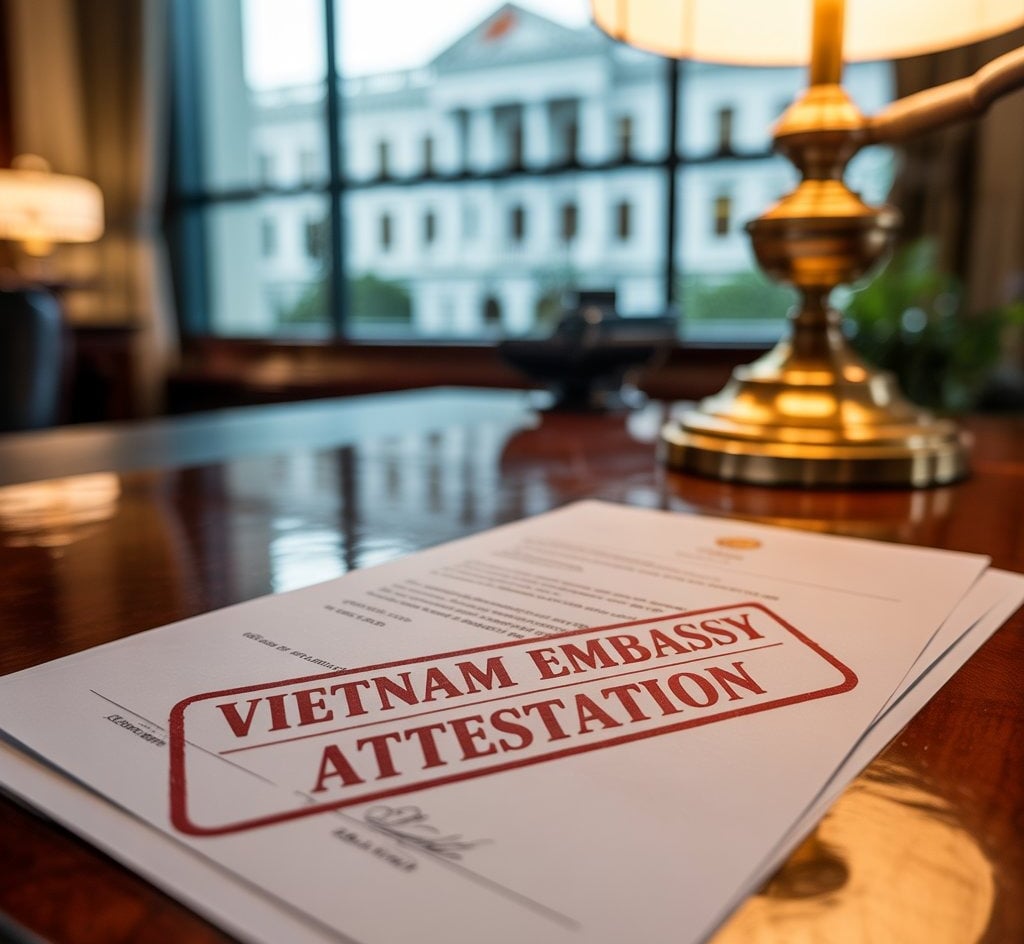
Embassy attestation is a crucial process for individuals planning to move to Vietnam, serving as a means of verifying the authenticity of various documents. This legal procedure involves the endorsement of official documents by one's home country's embassy or consulate in Vietnam. It is essential for many formalities, such as employment, residency, or educational purposes, as it helps to ensure that your documents are recognized by Vietnamese authorities.
The significance of embassy attestation lies in its ability to facilitate the legal acceptance of documents, which may include educational certificates, marriage licenses, and professional licenses, among others. Each type of document has specific requirements and may demand different levels of verification. For instance, educational certificates often require additional steps, such as verification from the issuing institution before being presented for attestation at the embassy.
The process typically begins with gathering the necessary documents and meeting specific criteria set by the embassy. It may also involve obtaining an apostille or notarization from a government agency in your home country prior to the embassy’s attestation. The embassy will review the submitted documents and, upon confirmation of their authenticity, affix its stamp or seal, signifying that these documents are valid and can be accepted in Vietnam.
Understanding these procedural nuances and ensuring that all required documents are correctly attested will significantly smooth your transition to living in Vietnam. By prioritizing the embassy attestation process, you can avoid potential legal issues and enjoy a more seamless relocation experience. As you prepare for your move, it is advisable to seek guidance from professionals or embassies regarding specific protocols, which can vary between jurisdictions.
Why You Need Attestation for Vietnam
Moving to Vietnam as an expatriate requires a comprehensive understanding of various legal frameworks, one of which is the necessity of document attestation. Attestation serves as a formal validation process that ensures your legal and academic documents are recognized by the Vietnamese authorities. This is particularly vital for expats who may need to furnish official documents related to education, employment, or residency. Such documents could include degrees, marriage certificates, and other essential paperwork that affirm one’s qualifications or civil status.
The lack of proper attestation can lead to significant legal ramifications. If documents are not acknowledged as valid by the Vietnamese government, it may hinder your ability to secure essential permits. For instance, without attested educational credentials, applying for work or residence permits becomes challenging. In many cases, employers will require proof that your qualifications meet local standards, which can only be guaranteed through an attestation process. This necessity extends beyond mere compliance; it impacts your capacity to integrate into Vietnamese society, potentially restricting your choices for employment or education.
Moreover, attestation plays a crucial role in the visa application process. Different types of visas may require varying levels of document validation. Failure to provide attested documents can lead to visa rejections, causing delays in your relocation timeline. Compliance with these requirements not only directly influences your immediate relocation plans but also shapes your long-term settlement strategy in Vietnam.
In summary, attestation is not an optional step, but rather an essential measure for expatriates preparing to move to Vietnam. It enables the legal recognition of your documents, mitigates the risk of legal complications, and facilitates smoother applications for visas, residence permits, and work authorizations.
Step-by-Step Guide to the Attestation Process
Embassy attestation is a crucial step for individuals planning to move to Vietnam, ensuring that all documents are valid and recognized by Vietnamese authorities. This guide will break down the attestation process into manageable steps to help facilitate a hassle-free experience.
Begin by gathering all necessary documents that require attestation. This typically includes your birth certificate, marriage certificate, educational degrees, and professional qualifications. Ensure these documents are original and meet the formatting standards required by the embassy. Make copies of each document as well, as some embassies may request them.
The next step involves completing the required forms. Each embassy or consulate will have its specific application forms for attestation. These forms can usually be downloaded from the official embassy website or obtained in person. Fill out the forms meticulously and ensure all entries are accurate to avoid delays. Double-check for any additional information that may be required based on your individual circumstances.
Once your documents are prepared, it’s time to submit them to the embassy or consulate. Identify the appropriate submission method, whether in person, by mail, or electronically, depending on the embassy's policies. If submitting in person, consider scheduling an appointment to reduce waiting times. Make sure to retain any receipts or confirmation emails you receive upon submission.
In addition to proper submission, there are some tips to enhance the smoothness of the attestation process. Always confirm the embassy's operation hours and any potential public holidays that may affect processing times. It's also prudent to follow up on the status of your application after a reasonable period to address any potential concerns swiftly.
Typically, the attestation process can take anywhere from a few days to several weeks, depending on the specific embassy’s processing times and workload. By following these steps carefully, you can ensure a seamless and efficient attestation process as you prepare for your move to Vietnam.
Common Challenges and How to Overcome Them
The process of embassy attestation for documents intended for use in Vietnam can present several challenges. One of the most prevalent issues is document inconsistencies. These discrepancies may arise from variations in official names, dates, or other critical details across different documents. To mitigate this problem, it is essential to ensure that all documents are accurate and consistent before submission. Take the time to triple-check every detail on your certificates and personal documents to avoid unnecessary delays in the attestation process.
Another challenge individuals may face is processing delays. These can occur due to a high volume of applications at the embassy or unforeseen circumstances impacting operational capacity. To counter potential wait times, individuals are advised to submit their documents well in advance of their intended move to Vietnam. Seek to understand the average processing times for your specific documents, as this can assist in better planning your timeline.
Understanding the specific requirements set forth by the Vietnamese government can also be a significant hurdle. Each type of document may have different attestation criteria, and not having this information can lead to confusion. It's advisable to conduct thorough research and refer to the Vietnamese embassy’s official website or contact them directly for the latest guidelines. Various online forums and expat communities can also serve as beneficial resources for gathering insights from individuals who have navigated the process before you.
In conclusion, while there are numerous challenges associated with the embassy attestation process for Vietnam, being proactive and prepared can greatly ease the experience. Ensuring document accuracy, submitting requests in advance, and seeking out reliable information will empower you to overcome these obstacles effectively.
Choosing the Right Embassy or Consulate
When preparing for a move to Vietnam, one critical step is ensuring that your documents are properly attested. Selecting the right embassy or consulate for this process is essential and can greatly affect the efficiency and effectiveness of your attestation experience. The first consideration should be your nationality; different countries may have designated embassies or consulates based on your citizenship, and it is important to seek out the one that caters specifically to your needs.
Location is another crucial factor when choosing an embassy or consulate. If you currently reside outside of your home country, finding the nearest diplomatic facility can save significant time and effort. Check the official websites of relevant embassies to ascertain their specific locations, as well as their operational hours. Many embassies may have multiple locations or might operate in a host country’s capital. Ensuring accessibility can help you manage appointments and submissions seamlessly.
Moreover, processing times and the specific services offered by the embassy or consulate are vital to your planning. Some embassies may offer expedited processing for an additional fee, while others may have a standard processing timeframe that could take longer than anticipated. It is advisable to inquire directly about the duration and any additional requirements associated with your document submission. Furthermore, certain facilities might provide specialized services such as translations, which can be beneficial depending on your documents' language.
Ultimately, while navigating embassy services may appear daunting, careful research and preparation can simplify the process. By considering your nationality, proximity, and the specific offerings of the embassy or consulate, you can ensure a smoother attestation experience, making your transition to Vietnam more efficient and stress-free.
Helpful Resources and Contacts
When navigating the embassy attestation process in Vietnam, having the right resources at hand can significantly ease your experience. There are several vital contacts and online resources that can assist you in ensuring your documents are properly attested. To begin with, accessing the official website of the Vietnamese embassy in your home country is crucial. This site provides invaluable information about document requirements, fees, and processing times specific to your nationality.
In addition to the embassy’s website, consider reaching out to legal advisors specializing in expatriate services. These professionals often have insight into the nuances of document attestation and can guide you through the complexities of the process, helping avoid common pitfalls. Many legal firms have dedicated sections for expats, offering tailored services to facilitate document preparation and submission.
Third-party services that specialize in document attestation are also available. These companies often streamline the attestation process to save you time and reduce stress. Researching and comparing these services can be beneficial, as some may offer expedited processing or additional support during your move to Vietnam.
For first-hand accounts and advice, online forums and communities such as Expat.com or InterNations can be helpful. These platforms allow you to connect with other expatriates who have gone through the attestation process. Their shared experiences may provide practical tips and insights that can ease your own journey.
In summary, whether you are contacting local embassies, seeking the expertise of legal professionals, or tapping into the wealth of knowledge from fellow expats, these resources can prove invaluable in your embassy attestation process. Arriving well-prepared can significantly smooth your transition to living and working in Vietnam.
Final Tips for a Smooth Transition to Vietnam
Relocating to Vietnam involves several steps, and preparing adequately can significantly ease the transition. Beyond completing the essential embassy attestation, it is vital to address other aspects related to living and working in this vibrant country.
Securing accommodation should be one of your top priorities. Research various neighborhoods in cities such as Hanoi or Ho Chi Minh City to understand which areas align with your lifestyle and budget. Websites like Airbnb or local real estate platforms can offer insights into available housing options, ranging from temporary rentals to long-term leases. Engaging with local real estate agents can also provide valuable assistance and guidance in finding suitable accommodations that fit your specific needs.
Navigating cultural differences is another critical aspect when moving to Vietnam. Familiarizing yourself with local customs, language, and etiquette can help ease your integration into Vietnamese society. Basic Vietnamese phrases can go a long way in everyday interactions and demonstrate respect for the local culture. Additionally, participating in community events or joining expatriate groups can help you build a network of support and friendships.
Understanding the legal framework for living and working in Vietnam is essential to ensure compliance with local laws. It is advisable to research the visa options available for foreigners, as well as any regulations concerning work permits or residence statuses. Consulting with immigration specialists can provide clarity on the necessary documentation required for a hassle-free transition.
Lastly, keep in mind that moving to a new country often comes with unexpected challenges. Embracing adaptability and maintaining a positive outlook will facilitate smoother adjustments and enrich your experience in Vietnam. Overall, thorough preparation and openness to learning can make your relocation an enjoyable and fulfilling journey.