
Fast & Easy Vietnam Embassy Attestation Services
Discover our fast and easy Vietnam embassy attestation services. We provide a quick attestation process to ensure your documents are processed efficiently. Get the support you need for all your embassy-related requirements.
11/28/20257 min read
Introduction to Embassy Attestation
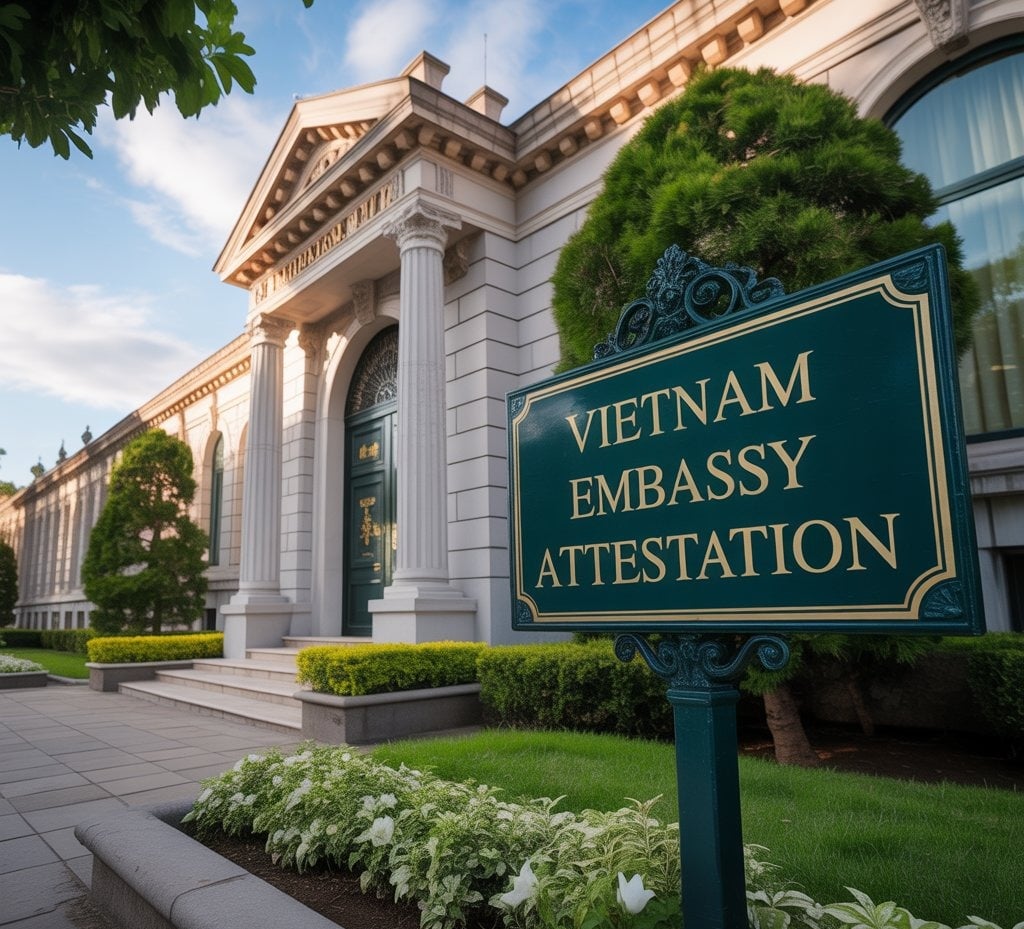
Embassy attestation is a formal process wherein a document is verified and certified by governmental authorities to confirm its authenticity. This procedure is essential for individuals and entities who wish to use documents in foreign countries, particularly Vietnam. The term "attestation" refers to the verification of a document's legitimacy, which is crucial for legal, educational, and commercial purposes. In the context of Vietnam, embassy attestation serves to validate documents such as educational certificates, business agreements, and personal identification papers.
The significance of embassy attestation stems from its role in facilitating international transactions and interactions. For individuals seeking to reside, work, or study in Vietnam, having their documents attested by the Vietnamese embassy is often a prerequisite. This provides assurances that the documents meet the necessary legal requirements outlined by Vietnamese law. Furthermore, the attestation process ensures that the documents can be recognized and accepted by local authorities, thereby streamlining the transition for foreign nationals.
In general, the embassy attestation process encompasses several steps. Initially, the document must be authenticated by relevant local authorities, such as notaries or government offices, before submission to the embassy. Following this, the Vietnamese embassy reviews the document for legality and compliance. Once approved, the embassy issues an official stamp or certificate, indicating that the document is attested. This not only validates the document but also affords it legal standing within Vietnam’s jurisdiction.
In summary, embassy attestation is a crucial step for anyone looking to validate their documents in Vietnam. Understanding the process and its significance can greatly assist in ensuring that your documents are appropriately recognized and accepted within the country, thereby enabling smooth interactions with local authorities and institutions.
Types of Documents Requiring Attestation
Attestation is a crucial process that ensures the authenticity of various documents, especially for those intended for use in Vietnam. Several types of documents necessitate embassy attestation to validate their integrity and acceptance. Understanding these document categories can facilitate a smoother attestation process.
One of the primary types of documents requiring attestation is academic certificates. This category includes diplomas, degrees, transcripts, and other educational credentials. When individuals wish to further their education or pursue employment opportunities in Vietnam, attestation confirms that these certificates are legitimate and recognized. Without proper authentication, educational qualifications may not be acknowledged by Vietnamese institutions or employers.
Another significant category is marriage certificates. Individuals planning to marry or validate their marriages in Vietnam need their marriage documentation attested. This process helps confirm the authenticity of the marriage, ensuring that it is legally recognized under Vietnamese law. The attestation also plays a vital role in applying for spousal visas or residency permits.
Business documents represent another type of paperwork frequently subjected to attestation. This includes company registration certificates, contracts, and financial statements. Businesses intending to operate in Vietnam require their documents to be authenticated to establish credibility and compliance with local regulations. Attested business documents are essential not only for legal operations but also for engaging with Vietnamese partners or investors.
Lastly, personal identification papers, such as passports, birth certificates, and identification cards, typically require attestation. This is especially pertinent for expatriates or travelers who need to validate their identity within Vietnam. Attestation guarantees that the personal documents are genuine, simplifying processes such as obtaining visas or establishing residency.
The Attestation Process Explained
The process of obtaining attestation services from the Vietnam embassy is a structured procedure that can be easily navigated with the right knowledge and preparation. To begin with, individuals must first gather all necessary documents that require attestation. These typically include educational certificates, personal identification documents, and any legal paperwork. It is essential to ensure that the documents are original and, where necessary, notarized to avoid any delays in processing.
Once the documents are prepared, the next step involves completing the application form provided by the embassy. This form usually requires personal details, a description of the documents being submitted, and the purpose of the attestation. The applicant should check for accuracy, as any discrepancies may lead to complications. Along with the completed application, it is vital to include any supporting documents that might be required as per the specific embassy guidelines.
After submission, applicants must pay the required fees. The fee structure can vary depending on the type of documents and the urgency of the request, so it is advisable to consult the Vietnam embassy’s official website for the most current fee schedule. Payment is often acceptable via multiple methods, including cash, credit/debit cards, and bank transfers.
The timeframe for completing the attestation process typically ranges from a few days to several weeks, depending on the embassy's workload and the urgency of the service requested. To facilitate a smooth experience, it is beneficial to submit applications well in advance and to follow up occasionally with the embassy regarding the status of the attestation.
Following these guidelines can help ensure a straightforward and hassle-free experience when seeking Vietnam embassy attestation services.
Common Challenges and Solutions
The process of obtaining Vietnam embassy attestation can pose several challenges for individuals and organizations alike. One of the most frequent issues encountered is the lack of necessary documentation. Missing documents can significantly delay the attestation process, resulting in frustration and additional costs. To mitigate this challenge, individuals should create a comprehensive checklist of required documents prior to embarking on the attestation journey. This proactive approach not only streamlines the process but also minimizes the risk of unexpected delays.
Another common hurdle is the delay in processing due to high volumes of requests at embassies. Applicants often find themselves facing longer wait times than anticipated, which can be particularly concerning for those with urgent requirements. To address this issue, individuals are advised to check the embassy's official website for updated processing times and requirements. Additionally, submitting applications well in advance can help avoid last-minute pressures, affording ample time for potential setbacks.
Discrepancies in submitted documents also present a significant challenge in the attestation process. Errors or inconsistencies in names, dates, or other critical information can lead to rejections or further delays. To prevent this, it is crucial to carefully review all documentation prior to submission. Engaging the services of a professional attestation service can also be beneficial, as these experts ensure that all requirements are met and that necessary corrections are made promptly.
In some cases, individuals may also encounter difficulties understanding the specific regulations and procedures associated with different types of documents. Clear communication with the embassy and seeking guidance when needed can ease confusion. Staying informed about the latest changes in policies, especially during high-traffic periods like holidays, is essential for ensuring a smooth experience.
By recognizing these common challenges and implementing practical solutions, applicants can navigate the Vietnam embassy attestation process effectively, ensuring it remains as fast and easy as possible.
Choosing the Right Service Provider
When seeking embassy attestation services, it is imperative to select a reliable service provider, as this choice can significantly influence both the efficiency and success of your attestation process. Start by checking the credentials of potential providers. A reputable agency should have clear accreditations and affiliations with relevant authorities, ensuring that they adhere to industry standards. It's also wise to confirm the agency's experience in handling such services, as more established providers are likely to possess the necessary expertise.
Next, consider reading reviews from previous clients. These testimonials can provide insights into the agency's reliability, turnaround times, and overall service quality. Look for patterns in customer feedback; consistent complaints regarding delays or poor communication may signal underlying issues. Websites that aggregate customer reviews can be useful, but also consider checking specific forums or social media platforms where past clients share their experiences.
Understanding the service charges is another critical factor. Attestation processes can vary significantly in cost, depending on a number of factors such as the type of document, urgency, and additional services offered. It is advisable to request a detailed breakdown of costs ahead of time to avoid unexpected fees later. Additionally, against this backdrop of costs, assess the value being offered. Cheaper options may seem attractive but could reflect on the quality or timeliness of service deliverables.
Finally, evaluate the customer support provided by the service provider. Reliable customer support is essential, especially if complications arise during the attestation process. A responsive and knowledgeable support team should be available to address any queries you have, guiding you through each step of the process. By considering these factors carefully, you can ensure that you choose a trustworthy partner for your embassy attestation services, thereby minimizing potential delays and complications.
Frequently Asked Questions (FAQs)
The process of document attestation can be complex, and it’s common for individuals to have several questions regarding Vietnam embassy attestation services. Below we address some frequently asked questions to enhance understanding of the process.
1. What is the validity of attested documents? When documents undergo attestation by the Vietnam embassy, they are considered legally valid for use in Vietnam. However, the specific validity can depend on the type of document and its purpose. It is advisable to check the requirements for the intended use of the document to ensure compliance.
2. How long does the attestation process take? The timeline for document attestation varies based on several factors, including the document type and the embassy’s processing capacity. Typically, it can range from a few days to several weeks. It's often recommended to start the attestation process well in advance of any planned travels or deadlines to accommodate any possible delays.
3. Are third-party services necessary for attestation? While individuals can handle their own applications for Vietnam embassy attestation, many choose to enlist the help of third-party services for convenience. These services can streamline the process, especially for those unfamiliar with the required procedures or language barriers. However, using a third-party service is not mandatory.
4. How can I follow up on my attestation application status? Following up on an attestation application is crucial for staying informed about its progress. Applicants can typically contact the embassy directly via phone or email. Some embassies may also provide online tracking options, allowing applicants to check the status of their documents without the need for direct contact.
By addressing these frequently asked questions, individuals can better navigate the nuances of Vietnam embassy attestation services, enabling a smoother experience overall.
Conclusion and Final Thoughts
In conclusion, the Vietnam embassy attestation process is a crucial step for anyone looking to travel or conduct business in Vietnam. This procedure not only ensures that your documents are legally recognized but also facilitates smoother interactions with Vietnamese authorities. Understanding the nuances of the attestation process can significantly impact one’s experience when navigating legal and bureaucratic requirements in Vietnam.
Throughout this discussion, we have highlighted the importance of embassy attestation in establishing the legitimacy and integrity of various documents, ranging from educational certificates to business contracts. As travelers and entrepreneurs prepare to engage with the Vietnamese landscape, being aware of these requirements equips them with the necessary knowledge to mitigate risks associated with document validation.
Considering the complexities involved in the attestation process, leveraging professional services can make a significant difference. Expert service providers not only streamline the process, thus saving time but also alleviate the stress that often accompanies bureaucratic procedures. Engaging professionals familiar with Vietnam's legal framework guarantees that all documentation is appropriately authenticated, ultimately ensuring compliance with local regulations.
In light of the burgeoning opportunities in Vietnam's vibrant economy, it is imperative to recognize the critical role that embassy attestation plays in safeguarding the legal standing of documents. By taking the step to fully understand and utilize these services, individuals and businesses can position themselves for success in their dealings within Vietnam. The investment in professional assistance can lead to enhanced efficiency, allowing travelers and businesspeople to focus on their goals without the burden of administrative hurdles.