
Vietnam Embassy Attestation: 2025 Requirements
Discover the latest requirements for Vietnam embassy attestation in 2025. Simplify the process and ensure you have all the necessary documents for a successful attestation.
12/10/20257 min read
Understanding Embassy Attestation
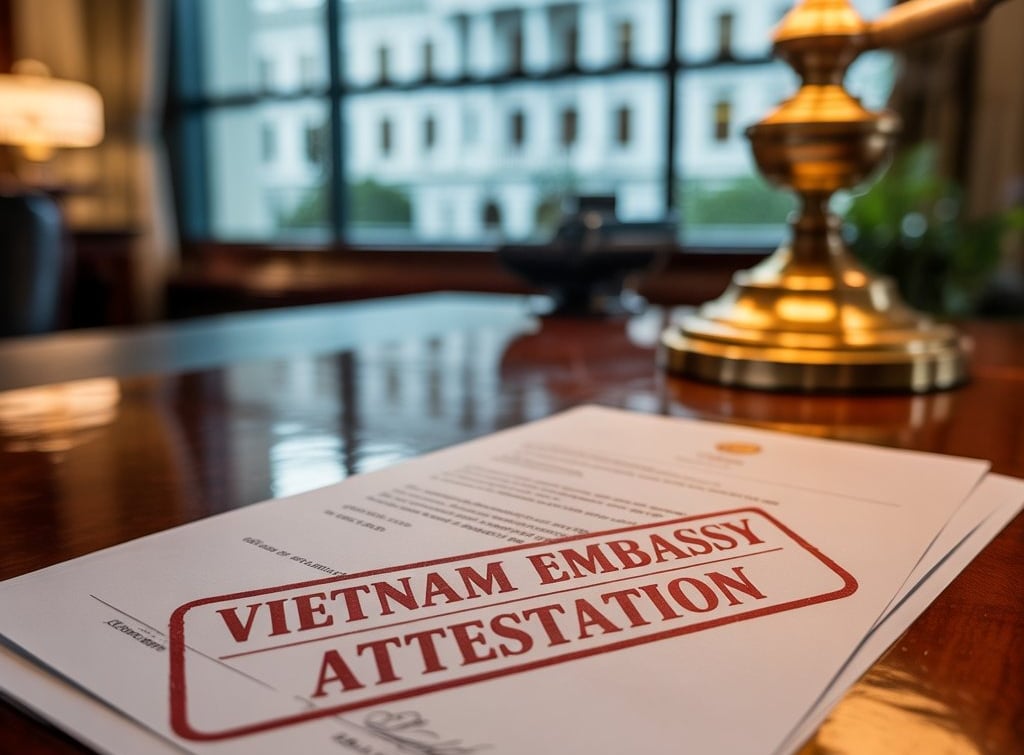
Embassy attestation is a formal verification process that confirms the authenticity of documents intended for use in a foreign country. This procedure typically involves government officials or authorized representatives of an embassy reviewing and authenticating documents to ensure they meet the legal and administrative requirements of the respective country. The primary purpose of embassy attestation is to protect the validity and reliability of documents such as educational certificates, business agreements, and personal identification papers when they are presented abroad.
The process of embassy attestation begins with the verification of documents at the local level, which may include notarization or departmental authentication in the country of origin. Following this initial step, the documents are submitted to the corresponding embassy or consulate, where they are reviewed. The embassy verifies that the documents are genuine before placing an official seal or stamp, which signifies that the documents have been properly attested. This certification is essential for individuals or businesses planning to reside, work, or establish connections in foreign nations, particularly in Vietnam.
In the context of Vietnam, the need for embassy attestation has become increasingly significant as international ties grow and more individuals and organizations seek to navigate the global landscape. For instance, students applying for educational opportunities and professionals seeking employment in Vietnam must ensure their documents are properly attested to avoid any legal complications. Additionally, businesses looking to enter the Vietnamese market may require attestation for contracts or agreements to establish their legitimacy and foster trust among local partners. Ultimately, understanding embassy attestation is crucial for anyone looking to engage with foreign jurisdictions and confirms the importance of this process in validating documents for international use.
Reasons for Attestation in Vietnam
Document attestation in Vietnam has become a fundamental requirement for a variety of personal and professional situations. It serves as a verification process that authenticates the legitimacy of documents, ensuring they are recognized and valid for use both within Vietnam and abroad. One of the primary reasons individuals pursue attestation is for employment purposes. Many companies in Vietnam require prospective employees to provide attested degrees, certificates, and identification documents to establish credibility and verify qualifications.
In addition to employment, attestation is often necessary for immigration processes. Individuals looking to migrate to Vietnam or other countries typically need to present duly attested documents as part of their visa application. This includes academic credentials, marriage certificates, and any legal documents that support their intent to immigrate. Governments often mandate this to ensure that the documents submitted are authentic and not forged, thus streamlining the verification process during immigration.
For educational aspirations, particularly for foreign students looking to study in Vietnam, attestation is crucial. Schools and universities may mandate that transcripts and diplomas are attested to confirm that applicants meet the necessary educational qualifications for enrollment. Furthermore, international students often require their educational documents to be attested when applying for student visas, underscoring the importance of this process in the realm of international education.
Lastly, businesses engaged in international transactions frequently require document attestation to validate contracts, agreements, and other legal paperwork. This assures all parties involved of the authenticity of the submitted documents, fostering trust and compliance in global trade dealings. In essence, the process of attestation in Vietnam is essential for various purposes, underscoring its importance in both personal and professional contexts.
Latest Requirements for Attestation in 2025
In 2025, the Vietnam embassy has updated its attestation requirements to streamline the process and ensure compliance with current regulations. Individuals seeking attestation for their documents must be aware of the new guidelines that apply specifically to this year. Understanding these latest requirements is crucial for a smooth application process.
The types of documents eligible for attestation include educational certificates such as diplomas and transcripts, professional qualifications, and legal documents including marriage certificates and birth registrations. Additionally, corporate documents like business registrations and articles of incorporation may also be attested as part of this updated framework.
Applicants are required to submit a set of necessary supporting materials alongside their documents for attestation. This frequently includes a valid government-issued ID, proof of residency, and any documentation that substantiates the need for attestation. For instance, if you are an international student, you may need to provide your admission letter in order to have your educational documents attested. Furthermore, any foreign documents must be translated into Vietnamese or English and accompanied by a sworn translation certificate. This enhances clarity in processing and ensures that all relevant information is accounted for.
Notably, the Vietnam embassy has also made some adjustments in its guidelines from previous years. For example, certain documents that were previously subject to additional verification may now have simplified processes. As part of these enhancements, applicants are encouraged to check the embassy's official website for the most current information and detailed instructions, ensuring they are adequately prepared before submission.
By being well-informed about the latest requirements for attestation in 2025, applicants can effectively navigate the process and reduce potential delays in obtaining their document certifications.
Step-by-Step Process for Document Attestation
The process of getting documents attested by the Vietnam embassy is a detailed procedure that requires attention to various steps to ensure a successful application. First, individuals must gather all necessary documents that require attestation. These may include educational certificates, commercial documents, or personal documents such as marriage certificates and birth certificates. It is essential to ensure that all documents are original and meet the specifications set by the embassy.
Once the documents are prepared, the next step is to fill out the application form for document attestation. This form typically requires personal information, details about the documents being attested, and the purpose for which the attestation is needed. It is advisable to double-check the information provided, as any inaccuracies can lead to delays or rejection of the application.
After completing the application form, applicants must pay the requisite attestation fee. This fee can vary depending on the type of document being attested and the urgency of the request. Payment methods may differ; thus, it is important to confirm the accepted payment options with the embassy. Once the payment is done, applicants should keep a receipt, as it may be required for future reference.
The processing time for attestation can vary based on several factors, including the embassy's workload and the complexity of the documents. Generally, it can take anywhere from a few days to several weeks. Applicants are encouraged to check with the embassy for estimated processing times and to stay updated on their application status, which can usually be done through the embassy’s contact channels.
Upon completion of the process, applicants are usually notified to collect their attested documents. It's crucial to verify that the attestation has been done correctly by checking for any discrepancies in the documents. Following these steps will facilitate a smooth experience in obtaining document attestation from the Vietnam embassy.
Common Challenges and How to Overcome Them
Individuals seeking attestation at the Vietnam embassy may encounter various challenges that can complicate the process. One prevalent issue is document rejection. This typically occurs when the submitted documents fail to meet the required standards or are not properly legalized. To mitigate this risk, applicants should familiarize themselves with the specific requirements outlined by the embassy. Comprehensive preparation, including extensive document checks and ensuring that all materials are accurate and complete, can significantly reduce the likelihood of rejection.
Another challenge often faced is delays in processing times. These delays may arise from bureaucratic procedures or an overwhelming number of requests at the consulate. To expedite processing, applicants should consider submitting their requests well in advance and remain patient while allowing adequate time for document verification. Regularly following up with the embassy can also provide insights into the status of the application and establish clear lines of communication.
Misunderstandings regarding the requirements for attestation can lead to frustration and unnecessary complications. Clear guidance is essential to avoid such pitfalls. Prospective applicants are encouraged to utilize official resources, such as the embassy's website, to gain a better understanding of the necessary steps and paperwork required for attestation. Moreover, enlisting the help of professionals, such as legal consultants or attestation services, can provide additional clarity and support throughout the process.
Overall, being well-informed, adequately prepared, and proactive in communication are vital strategies for tackling common challenges associated with getting documents attested at the Vietnam embassy. By addressing these issues head-on, applicants can enhance their chances of a smooth and successful attestation process.
Cost and Timeframe for Attestation
When considering document attestation in Vietnam, it is crucial to understand that various costs are involved in the process. The primary expenses arise from service fees charged by attestation service providers. These fees can vary significantly based on factors such as the type of document being attested and the urgency of the service requested. For standard processing times, the cost typically ranges from a few hundred to several thousand Vietnamese Dong. It is essential to inquire about the detailed pricing structure from the service provider to avoid any unexpected expenses.
In addition to the basic service fees, there may also be potential additional charges. These additional costs could include fees for obtaining notarizations, translations, or other necessary certifications, depending on the specific requirements of the document. Thus, individuals seeking attestation should factor in these extra expenses within their budget to ensure a smooth process.
As for the timeframe required for the attestation process, it generally varies based on the type of documents and the chosen service method. Standard processing may take anywhere from three to five business days, while expedited services can considerably reduce this time to approximately one or two days. It is important for applicants to communicate their timeframe requirements clearly to the service provider to facilitate timely processing.
To expedite the document attestation in Vietnam, one can take several practical steps. Ensuring that all documents are complete and correctly filled out prior to submission can significantly reduce delays. Additionally, selecting a reliable attestation service that offers quick turnaround times can further optimize the process. By being proactive and informed, applicants can navigate the complexities of document attestation more efficiently, mitigating potential delays while managing costs effectively.
Conclusion and Additional Resources
In summary, understanding the Vietnam embassy attestation process is crucial for individuals and businesses seeking official validation of documents for use in Vietnam. Throughout this blog post, we have highlighted the essential steps involved, including the documentation required, the submission process, and the associated fees. It is vital to stay updated on the 2025 requirements, as they can influence the overall efficiency of obtaining your document attestation.
Being well-informed about the attestation process not only helps in avoiding common pitfalls but also ensures that your documents are recognized and accepted in Vietnam without unnecessary delays. As regulations evolve, regularly checking for updates from official sources can safeguard against potential issues.
For those seeking further assistance, the Vietnam Embassy provides a wealth of information on their official website, including detailed guidelines on document attestation, contact information for inquiries, and lists of frequently asked questions. We recommend reaching out directly to the embassy for personalized guidance. Their contact details include phone numbers and email addresses that are readily available on the website for convenience.
Additionally, various professional services specialize in assisting with the attestation process. These services can help in preparing the necessary documents and navigating the complexities involved, thus mitigating the risk of errors. We encourage you to explore reputable services that have experience with embassy attestations, as they can provide invaluable support and save you time throughout the process.
Staying informed and seeking professional guidance will make the Vietnam embassy attestation process smoother and more efficient, enabling you to focus on your endeavors in Vietnam.