
Vietnam Embassy Attestation: Complete 2025 Guide
Discover the complete process and requirements for Vietnam embassy attestation in our 2025 guide. Ensure your documents are properly certified with expert insights and step-by-step instructions.
10/8/20257 min read
Introduction to Vietnam Embassy Attestation
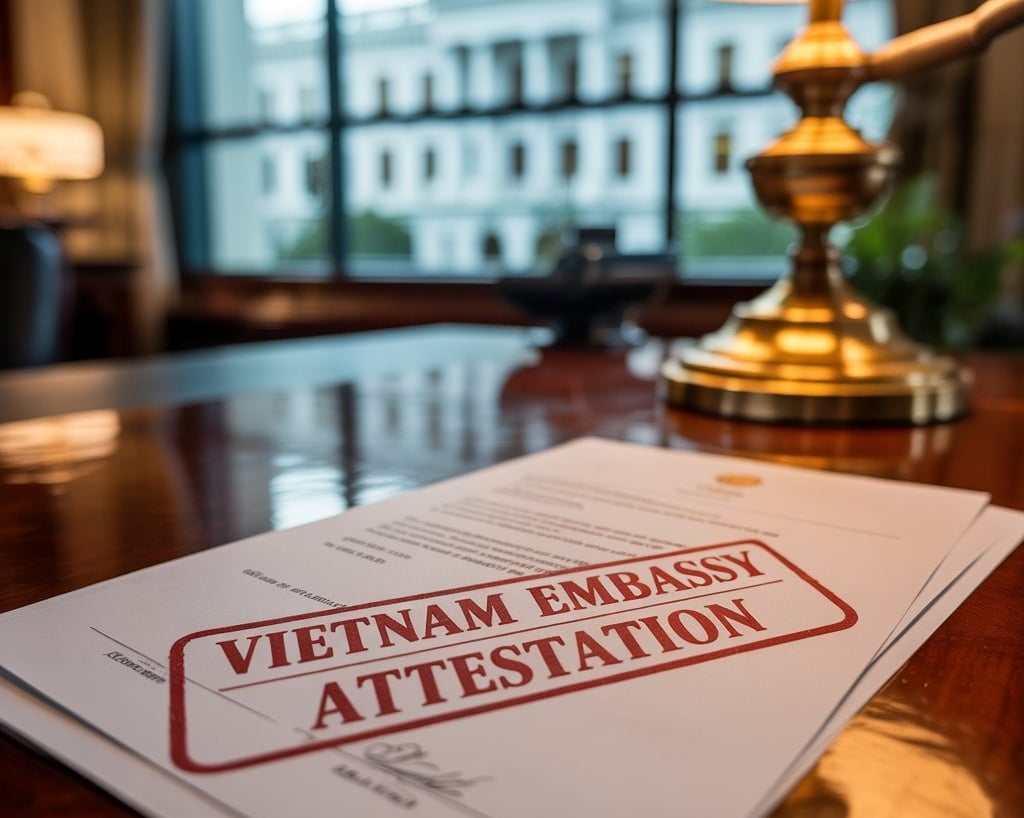
Embassy attestation is a crucial process that involves verifying the authenticity of legal documents by the relevant embassy or consulate of a country. In the context of Vietnam, this procedure is particularly essential for individuals and businesses that require legal recognition of their documents within the nation’s jurisdiction. The Vietnam Embassy plays a significant role in this attestation process, ensuring that the documents presented are legitimate and meet the required legal standards for acceptance in Vietnam.
This process typically applies to a wide range of documents, including educational certificates, marriage registrations, business agreements, and powers of attorney. Without proper embassy attestation, these documents may not hold legal validity in Vietnam, which can lead to complications or rejections when dealing with governmental or business entities. As such, understanding the nuances of the attestation process is vital for both expatriates and foreign investors engaging with Vietnam.
The importance of embassy attestation cannot be overstated, as it serves as an official endorsement that simplifies the execution of various legal matters in Vietnam. By having their documents attested, individuals and businesses can facilitate smoother interactions with local authorities, reduce uncertainties in legal procedures, and ultimately ensure compliance with Vietnam’s regulatory requirements. Additionally, this process helps alleviate potential disputes arising from document authenticity concerns, thereby contributing to a more transparent and reliable legal framework.
In summary, Vietnam Embassy attestation is a fundamental step for anyone needing to validate their documents within Vietnam. By ensuring that documents are officially recognized by the embassy, individuals and businesses can navigate legal processes with greater confidence and security.
Documents Requiring Attestation
Attestation by the Vietnam embassy is a crucial step for various documents, ensuring their validity and recognition in Vietnam. The types of documents that typically necessitate such attestation include educational certificates, marriage licenses, business documents, and other legal papers. Each of these categories serves specific functions, and understanding when and why attestation is essential can aid individuals and organizations in achieving their objectives.
Educational certificates, including diplomas and transcripts, often require attestation when individuals seek employment or further education in Vietnam. This process confirms that the educational credentials are authentic and have been issued by a recognized institution. Attestation becomes particularly important for international students who aim to apply for universities in Vietnam, as the authorities demand verified documentation.
The attestation of marriage licenses is vital, particularly for expatriates seeking to legalize their marital status within Vietnam. In cases where couples wish to reside or establish a family in the country, having a legally recognized marriage certificate is essential. The Vietnam embassy’s attestation reassures local authorities of the document's legitimacy.
Additionally, business documents such as company registration papers, contracts, and partnership agreements must also undergo the attestation process. Business entities engaging in commercial activities, joint ventures, or establishing a business presence in Vietnam are required to provide attested documents to comply with local regulations and ensure credibility among partners or investors.
Other legal papers, including powers of attorney and affidavits, also require embassy attestation for various situations. These documents are often necessary in legal proceedings or when representation is needed. Knowing which documents require attestation and the specific processes involved ensures that individuals and organizations can effectively navigate their requirements in Vietnam.
Eligibility Criteria for Attestation
When seeking document attestation through the Vietnam Embassy, it is crucial to understand the eligibility criteria that govern the process. The scope is broad, encompassing both individuals and organizations that require the validation of their documents for various purposes, such as education, employment, or legal matters.
For individual applicants, the primary requirement is that they must possess original copies of the documents to be attested. These original documents should pertain to the purpose for which attestation is being sought, such as educational certificates, marriage licenses, or business contracts. Oftentimes, the embassy may also ask for notarized copies in lieu of the original, especially in cases where the original document is not readily available. Notarization enhances authenticity and ensures that the documents are recognized by legal authorities.
Organizations, on the other hand, are eligible to apply for attestation on behalf of their employees or for documents that facilitate business operations. Similar to individual applications, organizations must provide valid original documents, which can include incorporation certificates or business registration documents. Each document must comply with specific criteria, such as being issued by recognized authorities or institutions.
It is essential to note that certain restrictions apply to specific types of documentation. For example, documents that are deemed invalid, fraudulent, or expired are not eligible for attestation. Additionally, sensitive documents, like those involving national security, may face further scrutiny or may be entirely ineligible for the process. Therefore, before initiating the attestation process at the Vietnam Embassy, it is advisable to review the eligibility requirements thoroughly to ensure a seamless experience.
Step-by-Step Process of Attestation
Attestation from the Vietnam embassy is an essential process for validating documents intended for use in Vietnam. Understanding the step-by-step procedure is crucial for any applicant seeking to facilitate this process. The following outlines the comprehensive steps involved in obtaining the necessary attestation.
Initially, applicants must prepare the required documents. This often includes a valid passport, educational certificates, marriage licenses, and any other pertinent paperwork relevant to the application. It is important to ensure that all documents are original, duly signed, and, where necessary, notarized. If the documents are in a language other than Vietnamese, translation by a certified translator may be required.
The next step involves visiting the Vietnam embassy or its designated offices. Applicants should check the specific embassy's website for any unique requirements or procedures. Most embassies have an online appointment system where you can book a suitable time for submission. During this visit, the applicant submits the prepared documents along with a completed application form. This form plays a significant role in detailing the purpose of attestation and the documents involved.
Following submission, applicants typically need to pay the required attestation fees. The fee structure can vary by embassy and may depend on the types of documents being attested. Payment methods usually include bank transfers or cash, depending on the embassy’s policies. It is advisable to keep the payment receipt, as it may be required to further process the application.
Once the application is submitted along with payment, applicants will enter a waiting period, which can vary from a few days to several weeks. During this time, the embassy will assess the validity of the documents. In case additional information or documentation is needed, the embassy will contact the applicant via the provided contact details. Upon successful completion of the attestation process, the documents will be returned to the applicant stamped and verified, ready for use in Vietnam.
Processing Time and Fees
The processing time and fees associated with Vietnam embassy attestation can vary significantly depending on several factors. Firstly, the type of document being attested plays a crucial role in determining both the timeframe and the costs involved. Commonly attested documents include educational certificates, commercial documents, and personal records, each requiring different processing paths.
Typically, the standard processing time for embassy attestation can range from two to ten working days. However, urgent requests may be accommodated for an expedited processing time. Such requests can shorten the processing period to as little as one working day, but they often incur additional fees. It is essential to check with the specific Vietnam embassy or consulate, as processing times might differ by location and from one document type to another.
As for fees, the cost of obtaining an embassy attestation can also be influenced by various factors including the nature of the document, the urgency of the request, and whether any particular services are needed, such as notarization or translation. On average, fees may vary from $20 to $100 per document, with additional charges applicable for expediting the process or for supplementary services. It is advisable to prepare for potential fluctuations in fees and ensure that you have the appropriate funds ready for the various stages of the attestation process.
Readers should also consider potential additional costs associated with preparing documents before submission, as ensuring all paperwork is in order can affect overall processing efficiency. Understanding the processing time and associated fees is vital for anyone seeking Vietnam embassy attestation and enables better planning for anyone navigating this essential bureaucratic requirement.
Common Challenges and Solutions
When seeking attestation from the Vietnam embassy, applicants often encounter several challenges that can complicate the process. One of the most common issues is the submission of incomplete documentation. This can result in delays or outright denials of attestation requests. It is crucial for applicants to thoroughly review the specific documentation requirements set forth by the embassy to ensure that they provide all necessary materials in their application. Often, an incomplete application stems from a misunderstanding of what constitutes acceptable documents, which may include birth certificates, marriage certificates, or educational credentials.
Another frequent challenge is the lack of clarity regarding the attestation process itself. Many applicants may feel overwhelmed by multiple steps, including notarization, translation, and submission to the embassy. To mitigate this issue, individuals should create a checklist of each requirement as outlined by the Vietnam embassy, thus ensuring that nothing is overlooked. Engaging a professional service that specializes in embassy attestation can also provide clarity and guidance, making the process more manageable and less daunting.
Moreover, language barriers can present considerable hurdles. Applicants who are not proficient in Vietnamese may face difficulties in understanding the requirements and communicating with embassy staff. In such cases, utilizing translation services or enlisting the help of bilingual individuals can significantly enhance the likelihood of a smooth attestation experience. Furthermore, applicants should not hesitate to reach out to the embassy directly for clarification on any points of confusion; embassy staff are often willing to assist in resolvable matters.
By acknowledging these common challenges and proactively seeking solutions, applicants can enhance their chances of successfully navigating the attestation process through the Vietnam embassy.
Conclusion and Additional Resources
In conclusion, navigating the Vietnam embassy attestation process is crucial for individuals and businesses needing validation of documents for use in Vietnam. Understanding the specific requirements is essential to ensuring that your documents meet the necessary standards for attestation. This guide has highlighted the key steps involved, such as preparing your documents, understanding submission procedures, and addressing timelines and fees associated with the attestation process. Moreover, it is important to remember that the requirements may vary depending on the type of document being attested and individual circumstances.
As you progress through your attestation journey, it is recommended to reach out to the Vietnam embassy or consulate that serves your area for tailored guidance. They can provide the most accurate and up-to-date information regarding the procedures and any changes that may impact your application. For those seeking additional insights, various online resources can complement your understanding of the process. Valuable websites include the official Vietnam embassy website, which offers comprehensive details on services carried out by the embassy, including contact information.
For further reading, you might consider exploring other guides that delve into various embassy services, such as visas, legalizations, and other consular activities. These resources will enhance your knowledge and make the attestation process smoother. Prepare to embark on your attestation process with confidence, knowing you have the necessary tools and information to ensure a successful outcome. Your next steps will be significantly easier with access to reliable resources and clear guidance from the embassy.